Feeds:
Posts
Comments

Our Indescribable Gift

5c1cdef89b871e8095f70ce44bf2c898

(“Thanks be to God for his indescribable gift!”

–2 Corinthians 9:15 NIV)

Consider.

Jesus, our Savior, is:

  • Incomparable – without equal or rival (Psalm 86:8)


85d81ac7ab8a0b3947d92604f1091b4f


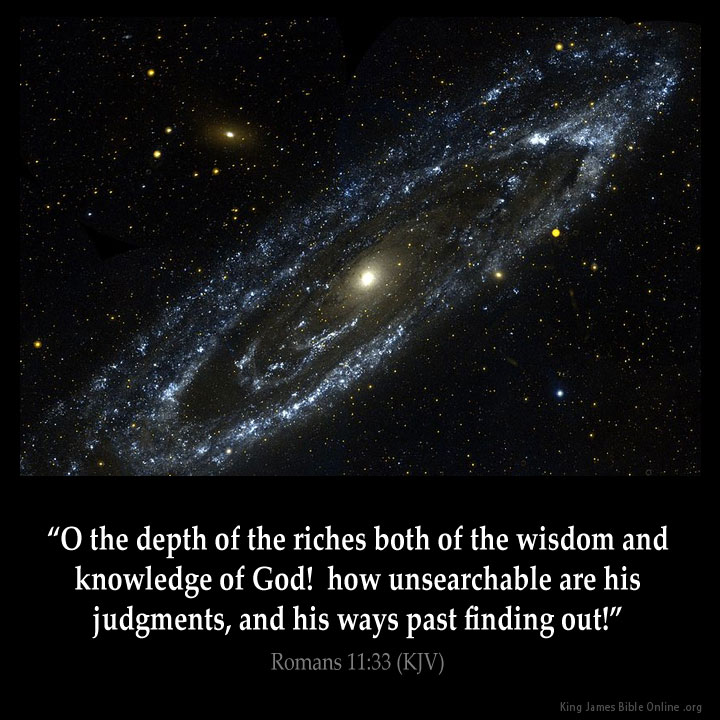
  • Incomprehensible – beyond understanding or knowing; unfathomable (Romans 11:33)


Romans_11-33


  • Indescribable – exceeding description (Jeremiah 10:6-7)


image10

  • Indisputable — incontestable (Isaiah 40:13-14)


blogger-image-1447150886


  • Inestimable – of incalculable value (Psalm 145:3)


fbf41a5427ef67c257c65dc01af288ff


  • Inexhaustible – incapable of being used up or consumed or becoming tired (Revelation 1:8; Psalm 121:3)


d9d9e4567f79b10eb2ca1ee33f55e92d


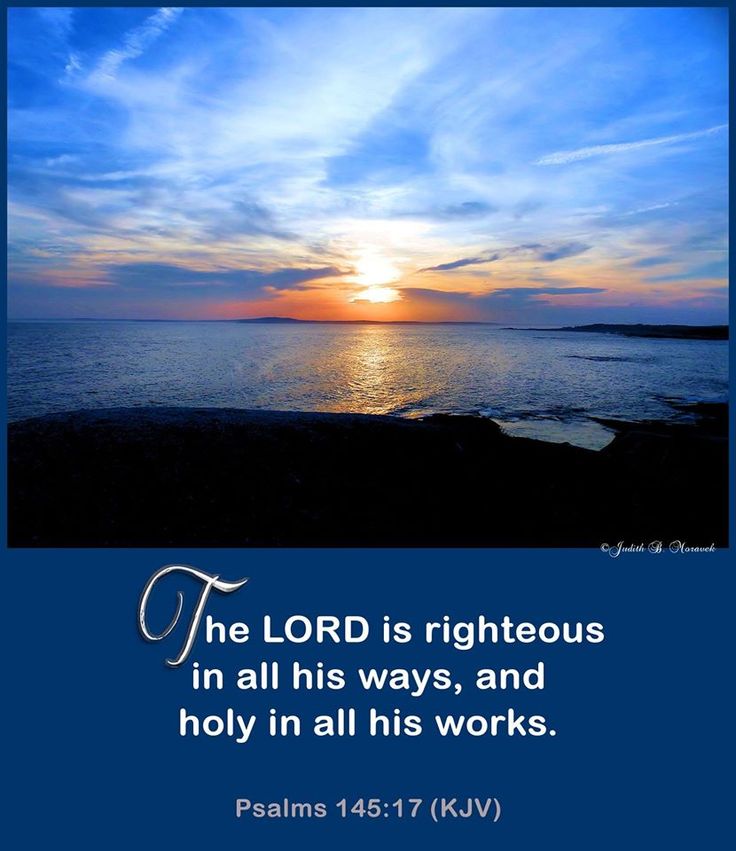
  • Infallible – cannot fail or even make a mistake (Psalm 145:17)


f65a18471e84ba787378cce22761e36d


  • Invariable – never-changing (Hebrews 13:8)


1ac798f9a8c3556236c4b2b9561ce3e6


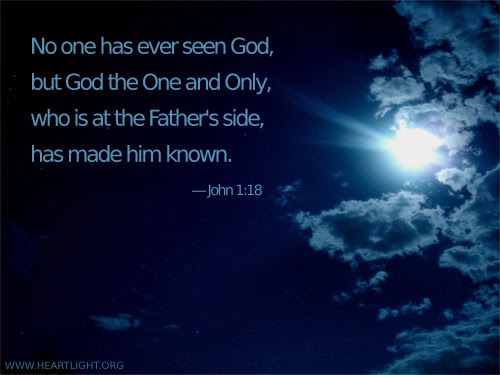
  • Invisible – John 1:18


98e17694c4978f1297c069388e500041


And those nine descriptors only begin to define Jesus. No matter how many fancy, multi-syllable words we might collect, the attributes of God’s Son are beyond full comprehension.  And he is God’s gift to us.

*     *     *     *     *     *     *     *     *     *

Oh, Jesus, how we thank you for giving up the splendor of heaven and the glory of your deity, to take on human form and become our Savior. How incomprehensible that you could love such pitiful creatures as mankind. Nevertheless you came so that we, too, could become God’s sons and daughters. Even more incredible, many of the descriptors above will be true of us—on that day when you appear again, and  We.  Shall.  Be.  Like.  You. 

(Philippians 2:6-7; John 3:16; Romans 8:29; 1 John 2:2)

(Art & photo credits:  www.pinterest.com; http://www.kingjamesbibleonline.org; http://www.thelovelyscribe.com; http://www.tgreatiam.blogspot.com; http://www.pinterest (5).


The Christmas season is well underway at our house. The tree is lit and ornamented,


IMG_0370


other decorations are in place,


IMG_0378


some of the Christmas cards are complete as well as some of the shopping.

But none of this would matter much if the whole family were not able to gather in just a few weeks. Eager expectation mounts for the noise and laughter, thought-provoking conversations, fabulous meals (prepared by several gourmet cooks in the family), and more.


IMG_0067


I actually find much to enjoy just in the anticipation of all this activity. In my imagination I visualize joyful faces, hear the good-natured teasing, smell the wonderful aromas wafting from the kitchen, and feel the warmth and camaraderie of loved ones who even like each other.

Our spirits are lifted as we relish these sublime moments–even before they’ve become reality–because pleasant anticipation is…


“..that sanguine expectation of happiness

which is happiness itself.”

― Jane Austen, Sense and Sensibility


But there is much to be said for delightful surprises as well, when:

  • The florist delivers a fragrant Christmas centerpiece from friends.
  • The doorbell announces the arrival of uninvited guests–carolers.
  • The check at a restaurant is paid for by friends who happen to be dining at another table.
  • An unexpected, especially thoughtful gift is drawn out from behind the tree.


hand-small-christmas-gift-box-man-present-luxury-life-48215666


Our hearts beat a little faster, and feel-good endorphins flood the system.

How glorious that the story of the first Christmas gives us both: delicious anticipation and delightful surprises.

First, the anticipation:

  • Hundreds of years before Jesus was born, the prophets foretold his coming, including his birth to a virgin (Isaiah 7:14), his birthplace in Bethlehem (Micah 5:2), his ancestry from the house of David (Isaiah 11:1-2), and more.
  • Devout Jews such as Simeon and Anna (Luke 2:25-38) had waited all their lives for the Messiah to come. Their eager expectation was finally fulfilled with the birth of Jesus.


Simeon


Then the story includes several surprises.

  • Imagine yourself occupied in ordinary tasks on an ordinary day, when the angel, Gabriel, appears out of nowhere, telling you not to be afraid. (Impossible under the circumstances!)  Imagine hearing the words, “You will be the mother of the Son of the Most High.”

Or,

  • An angel visits you in a dream to explain that the baby boy your fiancé is carrying was put there by the power of the Holy Spirit. (I wonder if Joseph asked the angel to please repeat his message?)
  • Picture yourself as a shepherd, drowsily watching your flock at night, when POOF! An angel appears, casting ethereal light all around you and announcing the birth of the long-awaited Messiah, the Lord of all. He’s finally here! And his birth is being declared to you—lowly shepherds at the bottom of the social strata. You try to absorb the news while your heart hammers in your chest.


ShepherdsBethlehem


Whichever you prefer—anticipation of the expected or out-of-nowhere surprises—the season offers opportunity for both.

We look forward to the well-loved traditions, familiar carols, and warm family gatherings. These activities can surely be counted among God’s precious gifts to us.

And just as the Jews longingly looked toward the coming of their Messiah, so we anticipate the second Advent or coming of Jesus, when he will begin his reign as the King of kings.

And if you prefer surprises, remember: God still performs wonders and miracles! In fact, he loves to display his glory as he works for our ultimate good in ways we don’t expect.

Perhaps our best attitude is to embrace them both.

Delicious anticipation embodies hope; delightful surprise unfolds into great joy.


il_214x170.866041452_t17z

(Art & photo credits:  Nancy Ruegg (3), gift:  www.dreamstime.com; Simeon:  www.deliveredbygrace.com; angel visitation: http://www.freerepublic.com; hope and joy:  www.etsy.com.)

Two and a half years ago I posted, “Nan-Sense: It Makes Sense to Me.”  I’ve collected a bit more Nan-sense since then! Here are a few examples from this month. Perhaps in reviewing these truths with you, they will become more firmly planted in me.

vision 

  1. I’ve been studying Hebrews, chapters 10-13, using Chuck Swindoll’s study book, Hebrews, Volume II (1983). One question invites readers to consider their personal  vision.  From the dictionary I chose the definition, “a mental image created by the imagination.”

My vision for my character includes these qualities: a) a quiet and gentle spirit (1 Peter 3:4), b) contentment whatever the circumstance (Philippians 4:12), c) consideration of others before myself (Philippians 2:3), d) rejoicing always (Philippians 4:4), and e) practicing God’s presence (John 15:5).

Slowly but surely, that vision is taking shape, by the power of the Spirit. (Although I still have a way to go!)

What is your personal vision?

 01

  1. One morning I glanced out the kitchen window to see a young squirrel perched at the very end of a dead tree branch. I could observe him quite closely because our house is built into a hill. The kitchen/family room, along the back of the house, is at the height of a second story.

Although I was looking almost straight ahead at him, he was about fifteen feet off the ground. His tail curled up gracefully over his back, and he appeared to be resting comfortably—no nervous glances, no shivers of fear.

God reminded me: He has equipped squirrels with claws that grip so tightly, they have no fear of heights. He has equipped me also with his shield of faith and sword of the Spirit. I have no need to fear either.  This, the morning after the horrific tragedy in Paris.

God, help me to be faithful to use that sword and shield!

What small moment experience has made an impression upon you recently?

 16158542

  1. Not long ago, I finished reading The Boys in the Boat (2013), by Daniel James Brown—the story of the eight-oar crew that won Olympic gold in 1936, in Berlin. Reviewers have used such adjectives as “suspenseful,” “riveting,” and “inspiring.” All accurate.

Now most readers would not expect to find statements of spiritual significance in a secular book. But often times I do, and this selection was no exception. From p. 53:

“It is hard to make the boat go as fast as you want to. The enemy, of course, is resistance of the water…but that very water is what supports you and that very enemy is your friend. So is life: the very problems you must overcome also support you and make you stronger in overcoming them” (George Yeoman Pocock, shell-builder*).

Sounds like George knew James 1:2-4.

What have you read lately from a secular source that had spiritual significance?

Rocky_pathway

  1. Last, I heard this quote on the radio, though I doubt this is a word-for-word rendering:

“Don’t worry that you don’t have strength before you start. God gives strength as we journey.”

Sound truth, right? Yet often I’d like to see my life-path at least a few miles ahead, and feel strong enough now to handle anything on that life-path.

God doesn’t work that way.

“Do not worry about tomorrow, for tomorrow will worry about itself,” Jesus taught (Matthew 6:34). Why? Because knowledge and provision ahead of time would cancel out the need for faith. And faith is one of the most precious treasures a person can possess.

What have you heard recently that spoke to your heart?

Join the conversation below with your observations!


*The long, narrow boats used by crews are called shells.


(Art & photo credits:  www.movation.wordpress.com; http://www.nighthawkpublications.com; http://www.goodreads.com; http://www.commons.wikimedia.org.)


00000000000000000000000001-Thanksgiving-dinner

“You prepare a table before me, 

In the presence of my enemies” 

–Psalm 23:5


You, oh God, are my Host at the table of life!

You have prepared for me a veritable buffet of experiences and opportunities. Some have been delicious and delightful, created (it seemed) solely for my enjoyment—events such as close encounters with birds or butterflies, an afternoon of laughter and reminiscing with old friends, or a spontaneous hug from a toddler.

Other experiences you’ve prepared because they were good for me: challenges, changes, and uncertainties.   You wanted to build strong character within me and grow maturity in my spirit.

However, there have been times when I wondered what you were serving! Forgive me for saying so, but occasionally you’ve mixed together circumstances that appeared as distasteful as pickles and cream cheese. Remember those times you put us in a new community long before I was ready, and how I struggled to let go of the familiar and loved?

Well, just as I never suspected how delicious pickles, cream cheese (and a bit of corned beef) could actually be, I also never suspected how much the people and experiences in a new community would greatly enhance my life.

I’ve also noticed that some of the dishes being served aren’t just for my sake, but for others at the table—especially the younger ones. Take Brussel sprouts, for example. If the children see me eating my portion, perhaps they’ll be inspired to eat theirs, too. In like fashion, as a participant at the table of life, You allow me to join with You in fulfilling larger, far-reaching purposes (way beyond Brussel sprouts)!

Even when enemies such as trial or pain try to swoop in and spoil the celebration, I can rejoice because You are with me, to strengthen and uphold. You’ve given me Your Word, where I can feast on Your attributes and promises. By your power, those enemies will be held at bay—outside the banquet room!

And on this Thanksgiving Day, as every cook prays his/her feast will turn out right and good, I praise You that everything You prepare for me is right and good.

Thank you, Jehovah-Jireh, my Provider, for your plenteous supply of righteousness and goodness in my life.

Happy Thanksgiving, Father!


(Photo credit:  www.thanksgivingdinnermenu.net.)


Our Persevering God

fa37b7b44ccee828964427a8ab6550dd

(The Lord is compassionate and gracious,

Slow to anger

And rich in faithful love.

–Psalm 103:8, HCSB)


Oh God,

As I skim through the memories of six-plus(!) decades, I see much evidence of these attributes in my life: 

Compassion

I praise you that you’ve always looked upon me with compassion, not condemnation. Not one moment of struggle in my life has slipped by your attention unnoticed. And with that attention has come your sympathy. You’ve completely understood every situation I’ve faced, and shared in the physical pain, emotional hurts, and spiritual battles as they’ve come.

How comforting to know that you see my circumstances and sympathize. But even more precious?  Your love compels you to express that compassion with encouragement, strength, and support. Each day you bestow new mercies. You never give up on me.


0ad9eb4d82fe357283fe022a70edd469


Grace

Oh, how thankful I am that you are a God full of loving kindness. What relief to know your gift of salvation is not based on my effort but on your grace.

Your blessings flow continuously, not based on my faith, but on your benevolent nature.

Even more wondrous, you dwell within me, bestowing peace, joy, wisdom, and more—not because I am righteous and deserving, but because you are righteous and dedicated to my highest welfare.


d36bad481a9dcf7581f648d480385b61


Patience (Slow to anger)

One evidence of your grace is patience. As a parent and teacher, I’ve learned a little about the attribute of patience—mostly how difficult it is! Little ones can ask countless silly questions, frequently test the limits of acceptable conduct, and behave quite selfishly.

How shameful to admit I still demonstrate such traits. I, too, ask frivolous questions. When troubles assault, I want to know Why, God? I test the limits of your grace with my shallowness, failings, and stubborn streak.   And as for selfish behavior, that tendency hasn’t died yet either.

Some Bible translators have used the word longsuffering in place of patience. You have suffered long as you’ve trained me! Step by laborious step you gently guide me toward maturity. And one day my character will be complete, lacking in nothing because of your great forbearance with me.


love-is-patient


Love 

How can I begin to thank you, God, for the treasure of your undying love? You brought me to faith in Jesus as a child, gave me a place in your forever family, and bequeathed to me an eternal inheritance in heaven. As I wait for that reality, I revel in your faithful love that:

  • Expresses itself continually, day after day
  • Attends to what will be in my best interest
  • Willingly and patiently endures the pain of rejection and disappointment, because of my rebellion
  • Disciplines me as any loving parent trains his/her dear children
  • “Perseveres until it perfects” (Philip Yancey)


6f396ff2e8912d50003e0f8b8f42ddc3


*     *     *     *     *     *     *     *     *     *

I praise you, Holy Father, that day after day you manifest these attributes in my life.  I am encouraged by your compassion, blessed by all facets of your grace, guided by your patient Spirit, and strengthened by the richness of your faithful love.  I can never praise you enough for your magnificence!

 (Art & photo credits:  www.pinterest.com (3); http://www.dailytimewithgod.com; http://www.pinterest.com.)


quote-there-is-no-sweeter-manner-of-living-in-the-world-than-continuous-communion-with-god-brother-lawrence-79-6-0625


“That does sound wonderful,” a young mother says, “but Brother Lawrence was a monk, working in the garden or kitchen all day. He could pray as he went about his chores. I work in a noisy office and then deal with three noisy kids when I get home. How can I experience continuous communion with God?”

Her dilemma is all too familiar, even for someone like me who’s retired!

So I began a list of possibilities to help me live in more continuous communion with God. Perhaps an idea or two will appeal to you.

  1. Begin the day with God–even as I get out of bed.  “This is the day the Lord has made; let us rejoice and be glad in it,” the psalmist urged (118:24).  OK, what can I rejoice in and be grateful to God for, as I anticipate the day?


 4255fe9d2387aa9fd42edb1385be1e12


  1. Wear a reminder-bracelet—even a paper one! Write a scripture on it (such as Isaiah 26:3), or an encouraging statement, such as: “He is beneath me as my foundation, He is beside me as my friend, He is within me as my life” (Barbara Johnson, Women of Faith speaker).
  1. Copy a meaningful scripture on a 3 x 5 card. Post it on the inside of a kitchen cabinet door, the visor of the car, or the inside of a closet. Move it around every few days so the element of surprise serves to grab my attention.
  1. Sing to God (while driving quiet streets or doing noisy chores!)
  1. Keep my blessings journal more faithfully. (Even though I established the habit years ago, I still allow some precious gifts to go unrecorded. More attentiveness will add more joy to my days.)
  1. Get outside. Find at least one marvelous gift in creation, and praise God for his genius.


fall-leaf


  1. Follow this advice from Barbara Johnson (mentioned above): While using a household product, see if the name or its attributes remind me of God and my relationship with him. One example: Fresh Start laundry detergent. While loading the washer I can pray, “Thank you, Father, that every day is a fresh start with you. Your mercies are new every morning.”  (Interested in more products and their implications?  Click on “A.M. Attitude Adjustment.”)
  1. Post a verse on the bathroom mirror. Work at memorizing it.
  1. Each time I sip my coffee or tea, I can also “Taste and see that the Lord is good” (Psalm 34:8) by savoring the blessings of the moment.  Thankfulness opens my heart to his presence and my mind to his thoughts.**


morning_on_the_mountain_basic_white_mug-r450ce7cdc09d429bb2a9eeb23f5c6f2a_x7jg9_8byvr_324


  1. End the day with God, recalling his blessings or reciting his scripture.


Now if you’re like me, a bracelet on the wrist or a 3 x 5 on a cabinet door soon become such common sights, I barely notice them anymore. Perhaps if I rotate through some of the suggestions, they’ll retain their impact.

Sunday might be the day for an outdoor respite.  Monday might be Bracelet Day; Tuesday could be Taste-and-See Day.

You get the idea.

Bottom line: I want my mouth filled with God’s praise; I want to declare his splendor all day long, simply because he is worthy of praise (Psalm 71:8; 1 Chronicles 16:24-25).

But how glorious is this:  our all-gracious God chooses to bless us when we seek to bless him—blessings such as:


101209-590x393


So…


“…For a short time, fly from your business;

hide yourself for a moment from your turbulent thoughts.

Break off now your troublesome cares,

and think less of your laborious occupations.

Make a little time for God, and rest for a while in Him.

Enter into the chamber of your mind,

shut out everything but God

and whatever helps you to seek Him, and,

when you have shut the door, seek Him.

Speak now, O my whole heart, speak now to God:

‘I seek Thy face; Thy face, Lord, do I desire.'”

—  Anselm

(1033-1109, Archbishop of Canterbury, caring pastor, author)


   *     *     *     *     *     *     *     *     *     *


What strategies help you to enjoy continuous communion with God?  Please share in the Comments section below!


**based on a statement by Sarah Young, Jesus Calling,p. 343


(Art & photo credits:  www.azquotes.com; http://www.pinterest.com; http://www.guilford.ces.ncsu.edu; http://www.zazzle.co.uk; http://www.ourdailyblossom.com.)

Hagar_Abraham


All alone she sat–a runaway–heart pounding with fear.

This was not the way she imagined events would unfold. Just weeks before opportunity had blossomed with possibilities–a life of security, provision, and honor seemed assured . But those dreams dissolved in a moment.

If only I’d kept my mouth shut, she thought. What a fool to think I could get away with those snide remarks. But my mind was consumed with the unfairness of it all, and I was so jealous—jealous that she would hold the place of honor, not me. To her I was nothing more than a vessel.

Fresh anger quieted her fear for a moment, as Hagar replayed the events that led her to sit by a spring in the desert, beside the road to Shur.

When Sarai, her mistress, had first suggested she become a substitute wife to Abram, Hagar foresaw a better life for herself. Surely the mother of the master’s son would hold a secure position in the household. She would be well provided for and respected by everyone.

But then the full meaning of “substitute wife” became clear. Hagar realized the child within her would not be her own but Sarai’s. Hagar began to express her frustration and jealousy toward Sarai in spiteful, unkind ways. She couldn’t seem to help herself.

Finally, Sarai hit her and Hagar ran.

Now what? Returning to Egypt seemed the only option. Her desperate hope was to find a home in need of a servant girl—even if she was pregnant.

Hagar shaded her eyes and peered down the road, willing a caravan to come along. If she attempted to cross the desert alone, it would mean certain death.

Instead of a caravan, however, a man approached. Little small talk ensued; he gave her an instruction (“Return to your mistress and do as she says.”); and he gave her a promise (“You will have a son, and descendants too numerous to count”).

It wasn’t until the stranger left that Hagar realized she had been visited by the angel of the Lord, and she named the place, Beer Lahai Roi, “Well of the Living One who sees me” (Genesis 16:1-14).

ElRoiGod2

Imagine. A servant girl in a foreign country, completely alone and pregnant. She herself had compounded her troubles. Yet God sought her out, to instruct and encourage her.

The Good Shepherd has always sought–and always will seek after–his lost sheep.

And then, with eyes of love, grace, and mercy, the Lord saw Hagar–

  • understanding every facet of her predicament, her motives and reactions
  • caring passionately about what would happen to her
  • mercifully forgiving her missteps and regretful behavior (Notice he didn’t say a word of reproach about her actions!)
  • giving instruction for what to do next
  • graciously providing for her needs
  • offering hope for her future

And still today, our God is the Living One who sees us with the same love, grace, and mercy.

quotpsalm-quot-by-cathywillett-redbubble-1414417436g8n4k

*     *     *     *     *     *     *     *     *     *

I praise you, Heavenly Father, that your eyes are upon the righteous—not because of any godly deeds we might accomplish, but because you see us through the righteousness of Jesus. And, oh how I thank you that you don’t just see us, you are watching over us. In these troubling, fear-inducing times, we turn our eyes upon you, our sovereign God, our refuge.

(Psalm 34:15; 2 Corinthians 5:21; Proverbs 15:3; Psalm 141:8)


(Photo & art credits:  www.christian-resources-today.com; http://www.assets.faithgateway.com; http://www.prayerpins.org.)


Enlarging the Prospect

Does this photo from a September post look familiar?  The light was just right that morning, the foliage in our back yard at the peak of luxuriance.


img_0249-1


My, the difference two months makes:


IMG_0357


Shorter days, cooler temperatures, wind and rain have taken their toll, stripping aged, brown leaves from their stems.


The houses that were hidden from view all summer are now exposed.


IMG_0353


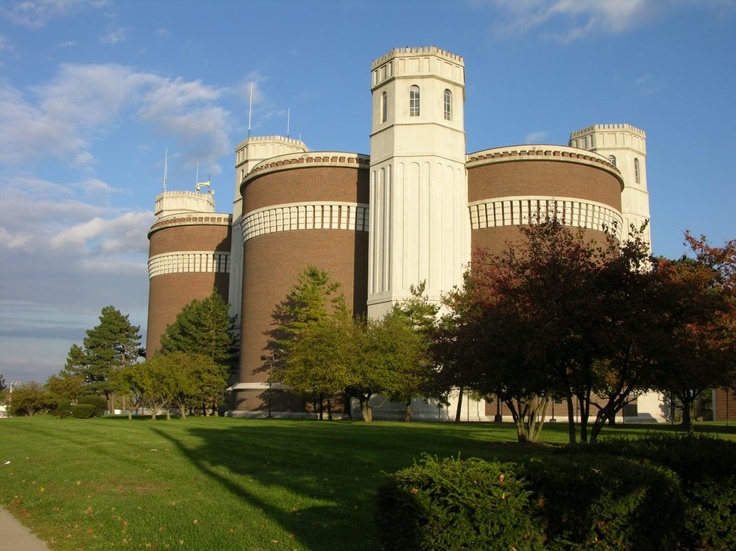
In a few weeks when all the leaves are gone, we’ll be able to see the faraway turrets of “the castle” above the trees. Visions of fairy tale kingdoms dance in my head.


07ac0512865cc2deb1ef446dd27328b2

(Believe it or not, that’s actually a water tower.)


Some vegetation is still in full fall display,


IMG_0359


While other foliage looks pitifully bedraggled.


IMG_0355


A continual leaf-shower creates a crunchy carpet for the deck…


IMG_0348

(Steve just swept two days ago.)


…and clutters the planters.


IMG_0346


This is the price we pay for those glorious weeks of riotous color in October.


893cc0753252d34a0ed621d25e006056


Now comes the season of quiet dormancy.

After such glory, the crumbling decay of leaf and flower seems tragically sad until we remember…

…the world will come to life again with ethereal beauty,

and we’ll revel in the euphoria of spring.


il_fullxfull.119559645


As winter strips the leaves from around us

So that we may see the distant regions

They merely concealed,

So old age takes away our enjoyments

Only to enlarge the prospect

Of the coming of eternity.

–Jean Paul, author (1763-1825)


The first four lines sound tragically sad, don’t they, until we remember the euphoria of what is to come, and the prospect of ethereal Beauty in the kingdom of eternity.

“Your eyes will see the King in his beauty and view a land that stretches afar” (Isaiah 33:17).

Even when times are dismal, cold, and gray…

…glorious HOPE is ours!


(Photo credits–Fall foliage and Mount Airy Water Tower:  www.pinterest.com.  Red bud in spring:  www.etsy.com.  All others photos:  Nancy Ruegg.

Granville Sharp

eaab14ad79f81660b93f3032488a12eddc3a7b6e

Granville Sharp

(b. November 10, 1735)

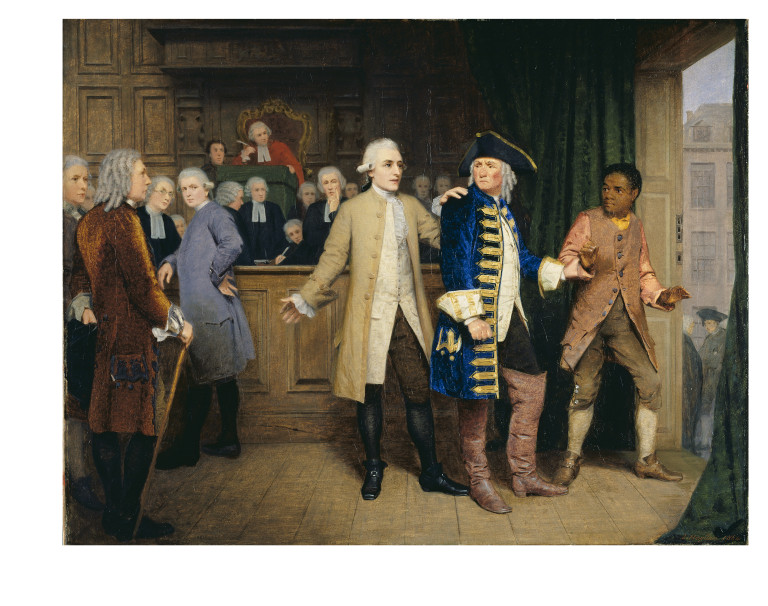
Never had thirty-year old Granville Sharp seen such injuries: large swellings about the neck and head, gaping wounds, and a face hideously swollen, streaked with trails of dried blood.

The victim: Jonathan Strong, a young slave who’d been pistol-whipped by his master and left to die on the streets of London, 1765. Somehow Jonathan made his way to the house of Granville’s brother, William, a doctor. And there he sat, waiting in line outside William’s office, when Granville stopped by the house.

quote-the-boy-seemed-ready-to-die-he-almost-lost-the-use-of-his-legs-and-feet-and-to-compleat-his-granville-sharp-266227

The encounter would change Granville’s life forever.

His heart went out to the slave; they became acquainted. Jonathan’s story horrified Granville. To make matters worse, when Jonathan recovered, the master demanded he be returned. Granville determined to help Jonathan, even though he’d “never opened a law-book except the Bible in [his] life” (1).

Those defending the slave owner were evidently intimidated by the case Granville put forth. After a two-year legal battle, they never brought Jonathan’s case to trial.

7149324-Granville_Sharp_1769_Liverpool

Sharp helped other slaves win their cases against tyrant owners, becoming more and more involved in the abolition of slavery. One case in particular, that of James Somerset, helped to set an important precedent in England.

Somerset had escaped his master, been recaptured, and was about to be shipped to a Jamaican plantation when Granville and others became involved.  They helped the slave win his freedom, arguing that “no master ever was allowed here (in England) to take a slave by force to be sold abroad because he deserted his service…therefore the man must be discharged” (2).

2006BB2012

Granville remained active in the abolition movement his entire life. He wrote frequent letters to many leaders in America and Britain, influencing their thinking about slavery and earning their respect. Among them: Dr. Benjamin Rush (signer of the Declaration), John Jay (first Chief Justice of the U.S. Supreme Court), Benjamin Franklin, and John Adams in America; John Wesley, William Wilberforce, the Archbishop of Canterbury in England; and General Lafayette of France.

But that was only one of his passionate pursuits. Another concern was the illegal treatment of the colonists in America. He published books and pamphlets to help their cause, catching the attention of Ben Franklin during one of his visits to England.

Granville gave Mr. Franklin 250 copies of his pamphlet about people’s natural rights as supported by the British constitution. Franklin sent them to America where several presses reprinted the booklet.

Sharp’s pamphlet influenced Thomas Jefferson as he drafted the Declaration of Independence, evidenced by at least several similarities in both documents.

In 1775, when war broke out in the colonies Granville was employed in the ordnance office (handling all matters concerning weaponry). He wanted nothing to do with the war, so he wrote to his employer: “I cannot return to my ordnance duty whilst a bloody war is carried on, unjustly as I conceive, against my fellow-subjects” (3).

Granville’s brothers agreed to support him, enabling him to pursue his studies, causes, and writing. In fact, beginning with his first book in 1765, Sharp published a new work, sometimes more than one, almost annually for the rest of his life (5).

sharp-title-page-Cropped-543x465

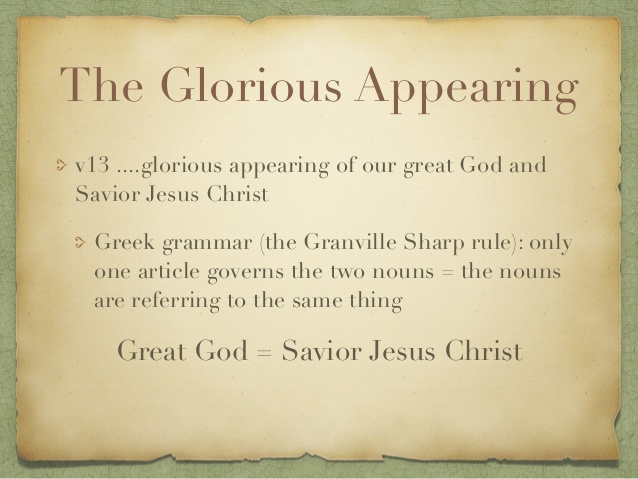
One of those books (with a thirty-six word title!) is now known as “Sharp’s rule” (1777). With his self-taught knowledge of ancient Greek, Granville demonstrated how eight passages of the New Testament had been mistranslated by some Bible scholars, leaving the reader to surmise that God the Father and God the Son were separate Beings. Sharp presented a thorough explanation that God the Father, Son, and Holy Spirit are One, according to the original Greek texts (4).

our-hope-the-appearing-of-jesus-christ-16-638

Yet Granville accomplished still more. In the mid-1780s, Sharp teamed with a Mr. Smeathman to establish a colony for freed English slaves on the west coast of Africa. (Many of them were homeless, subsisting on the streets of London with no hope of improving their lives.) But Smeathman died shortly after he and Granville established their partnership. Sharp continued the work nevertheless.

In April of 1787, the dream for that African colony became a reality with the founding of Sierra Leone. The colonists named the first settlement, Granvilletown.

220px-Province_of_Freedom

Sharp accomplished even more, as he served on a number of boards and societies, in support of mission efforts and philanthropic concerns.

Yet he did not see the fulfillment of his greatest dream—the abolition of slavery. The battle he began with the case of Jonathan Strong in 1765 finally ended in 1833, when slavery was completely abolished in the British Empire.

Sharp died in 1813.

Granville_Sharp's_tomb_inscription

His chief biographer, Prince Hoare, said that as he began to study Sharp he intended to “draw a veil over peculiarities of Mr. Sharp’s character,” out of respect for the dead. But when he finished his careful and comprehensive research, he realized Sharp’s “character to be of that high and dignified nature, to leave no necessity for such a precaution…I see nothing to veil.” (6).

Like many other forgotten heroes, Granville Sharp is among that great cloud of witnesses who fixed their eyes on Jesus and ran the race marked out for them (Hebrews 12:1-2a).

May his example and that of others–their faith, integrity, perseverance, and passion–push us along in the race marked for us.

______________________________

  1. history.ac.uk
  2. national.archives.gov.uk
  3. Dr. Daniel Wallace, www.bible.org
  4. christianity.com
  5. brycchancarey.com
  6. Dr. Daniel Wallace, http://www.bible.org

(Art & photo credits:  www.bbc.co.uk; izquotes.com; http://www.virtualtourist.com; http://www.collections.vam.ac.uk; http://www.wikipedia.org; http://www.liverpoolmuseums.org.uk; http://www.slideshare.net; http://www.en.wikipedia.org; )

God’s Loving Grip

what-can-separate-us

“I am convinced that neither death nor life,

neither angels nor demons,

neither the present nor the future,

nor any powers,

neither height nor depth,

nor anything else in all creation,

will be able to separate us from the love of God

that is in Christ Jesus our Lord.”

–Romans 8:38-39

Consider the author of these lofty, poetic words: Paul—a man who endured beatings, stonings, shipwrecks, danger, sleepless nights, extreme hunger and thirst, and exposure to the elements (1).

Yet in spite of all these hardships, Paul never thought, Maybe God doesn’t love me anymore.  No, he was convinced otherwise.  And he wanted to assure his readers, including us today, that nothing can come between the believer and his/her God:

            “Neither death nor life…”

Every moment of our lives God is watching over us, working out his plans that will achieve the highest good. Sometimes that includes suffering, for reasons we don’t always understand.

But consider: the greatest tragedy of history, the cruel torture and death of God’s perfect Son on a cross, brought about the most glorious consequence–the eternal salvation of all who believe (2).

image.axd

And when we die? God will still be watching over us (3). Visit a dying Christian and you will be the one encouraged by their God-given peace, joy, and expectation.

“Neither angels nor demons…” 

Long ago, the rabbis believed some angels were grudgingly hostile to men, not wanting to share God with earthly creatures. Perhaps Paul was saying, “Even jealous angels can do nothing to separate us from God’s love” (William Barclay).

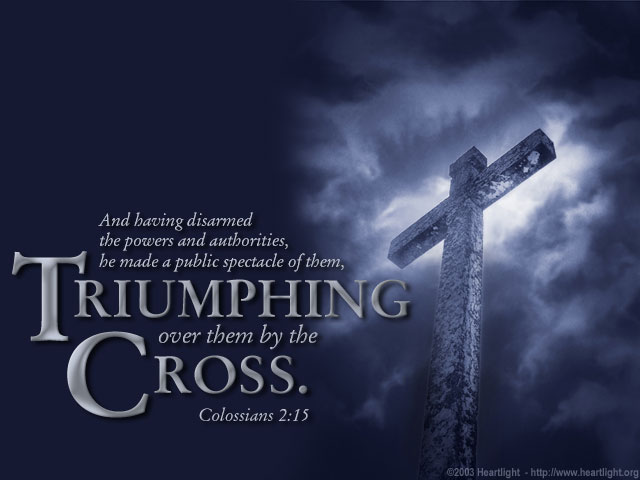
As for demons, they were defeated when Jesus died on the cross (4). Granted, they may prowl around and cause mischief, but they are powerless to sever us from God’s love. Their teeth were removed at Calvary!

colossians2_15

“Neither the present nor the future…”

 Sometimes we worry about the future. Will we be able to handle potential calamities down the road? Or, perhaps it’s the present that’s unbearable, and we wonder if better days will ever dawn.

But our omniscient God has never been surprised by any turn of events. What he says here (through Paul) is a guaranteed promise: nothing present or future—no circumstance–can separate us from his loving presence.
“Nor any powers…” 

All powers of the universe—whether physical or spiritual—are subject to God, because he alone is the Omnipotent One. No one supersedes him.

“Neither height nor depth…”

 Many in Paul’s day believed that the star a person was born under controlled that person’s destiny. Height referred to a star’s zenith; depth to the star’s lowest point in the sky. Paul may have been assuring his readers that the stars have no power over our lives.

By contrast, our Star of David, Jesus, is like the North Star. He never waxes and wanes; he never changes. And his love is present everywhere (5).

22b369c3e20ff6b9ced0597f35085cfb

            “Nor anything else in all creation…”  

No circumstance, no place, no person can remove us from God’s love. “God never loses his loving grip on his children” (Keith Krell, www.bible.org).

And so Paul covered every eventuality that might separate us from the love of God and assured us: It. Can’t. Happen. Surely, if Paul was convinced, after all he suffered, shouldn’t we be convinced as well?

*     *     *     *     *     *     *     *    *     *

Day after day, Father, you express your love to us: forgiving our sins, transforming our spirits, defending us from spiritual enemies, showering us with blessings. We praise you for the warm embrace of your love—a love that spans all time and space, overcomes all pain and suffering, and defeats every foe! “Because your love is better than life, [our] lips will glorify you” (6).

(1) 2 Corinthians 11:25-27

(2) John 3:16

(3) Psalm 23:4

(4) Colossians 2:15

(5) Psalm 139:7-10

(6) Psalm 63:3

Photo credit:  www.doughusen.com; http://www.klove.com; http://www.verseoftheday.com; http://www.pinterest.com.

Sylvia Schroeder

Impressions Becoming Expressions

Mitch Teemley

The Power of Story

Still Traveling

Impressions Becoming Expressions

Living Our Days

Gaining a heart of wisdom

He Said What?!

I'm Patty, and my husband and I are living with our adult son who has autism and epilepsy. I love sharing lessons learned from life around me, especially life with Aaron.

Meditations of my Heart

Impressions Becoming Expressions

Linda Stoll

Impressions Becoming Expressions

Signora Sheila

Dove la fede incontra la dolce vita

Heidi Viars

Finding the Image of God